Climate Change: Geoportal Enables Regional Projections
21.11.2013


21.11.2013
EU-Forschungscluster CLIWASEC
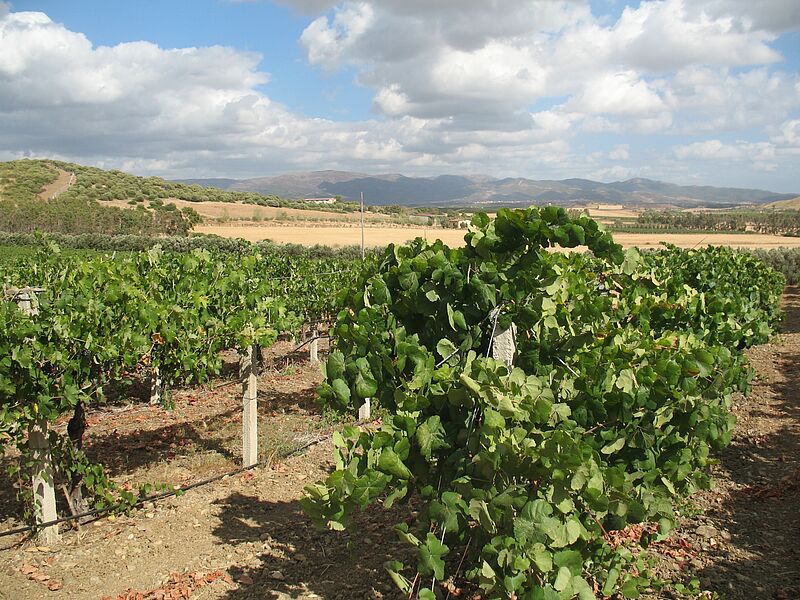
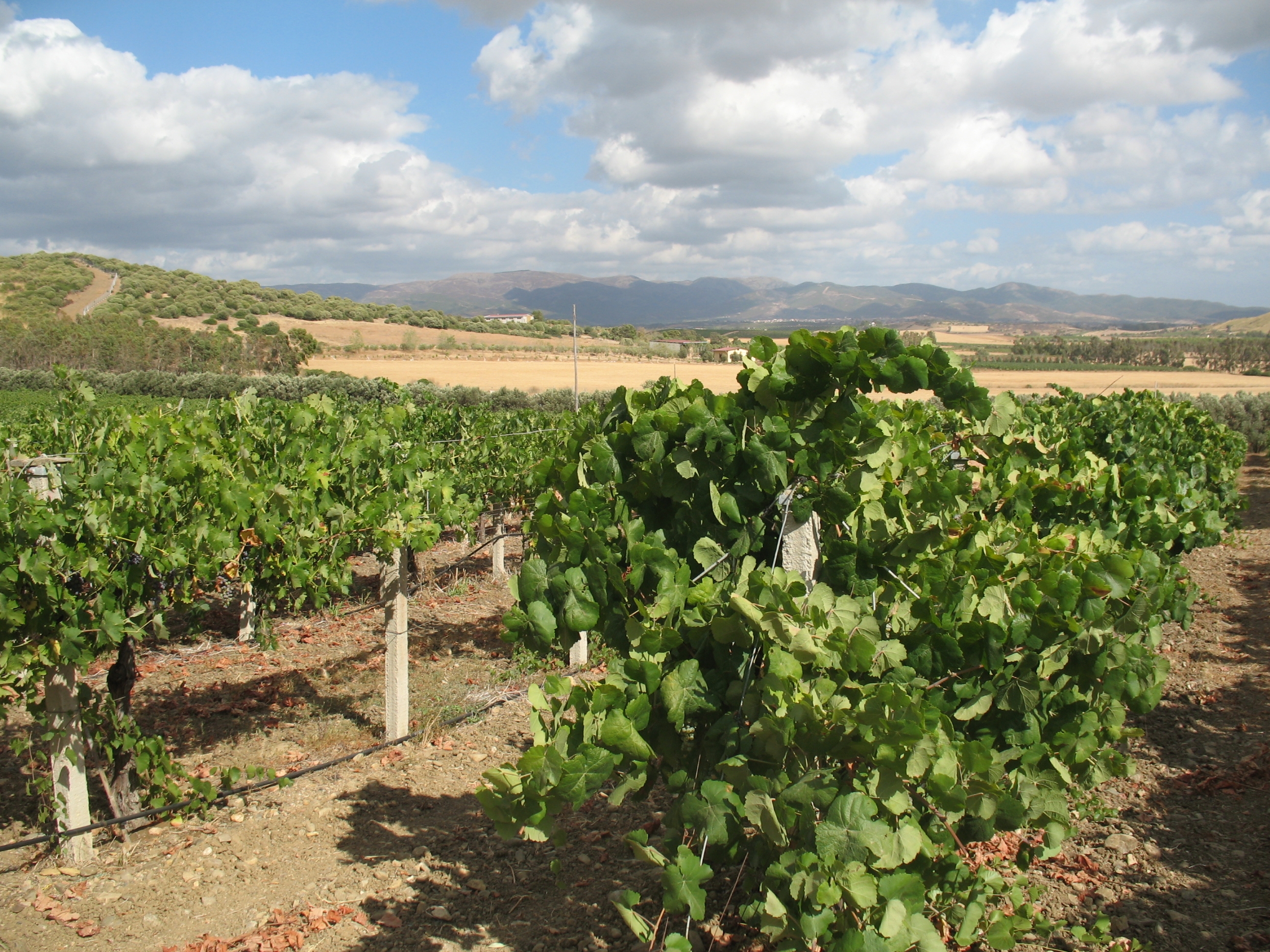
Sardinien: Weinanbau in der landwirtschaftlichen Versuchsanstalt ´San Michele`
 Download
© BayFOR
21.11.2013
EU-Forschungscluster CLIWASEC
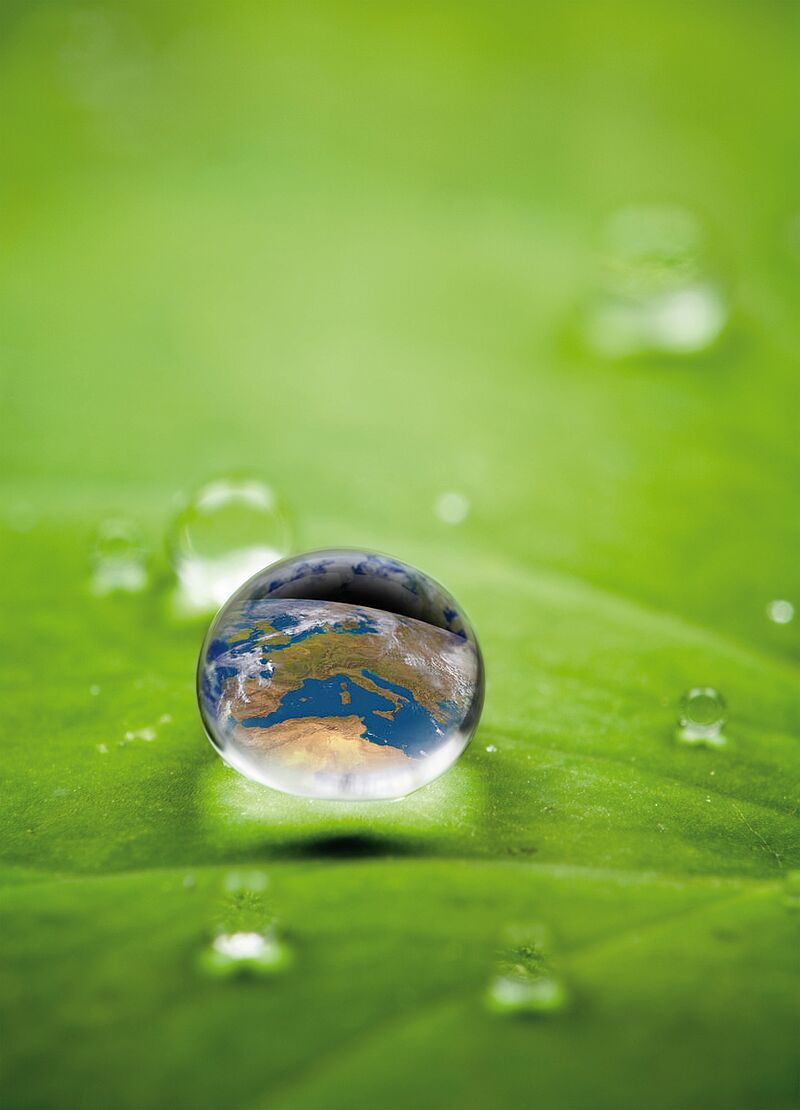
Das europäische Forschungs-Cluster CLIWASEC erforschte die ökologischen, ökonomischen und sozialen Folgen des Klimawandels und der Wasserknappheit im Mittelmeerraum
 Download
© BayFOR
21.11.2013
EU-Forschungscluster CLIWASEC
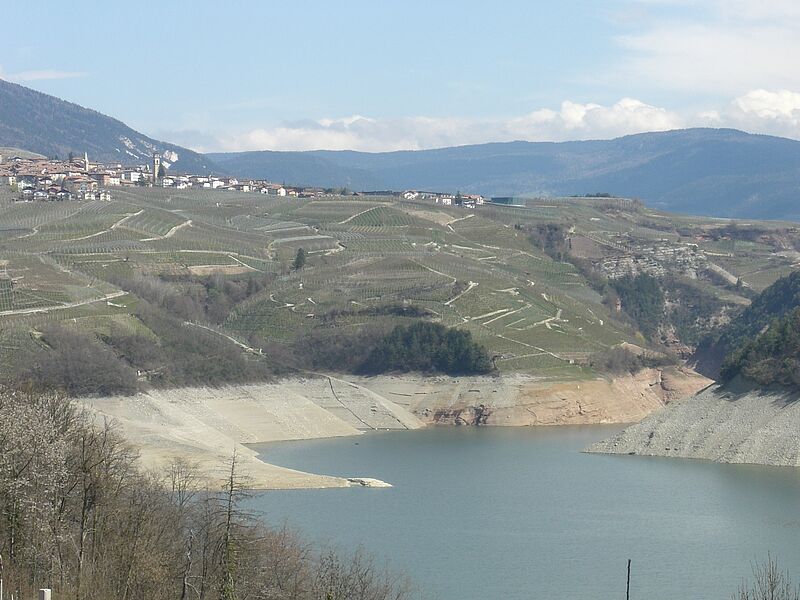
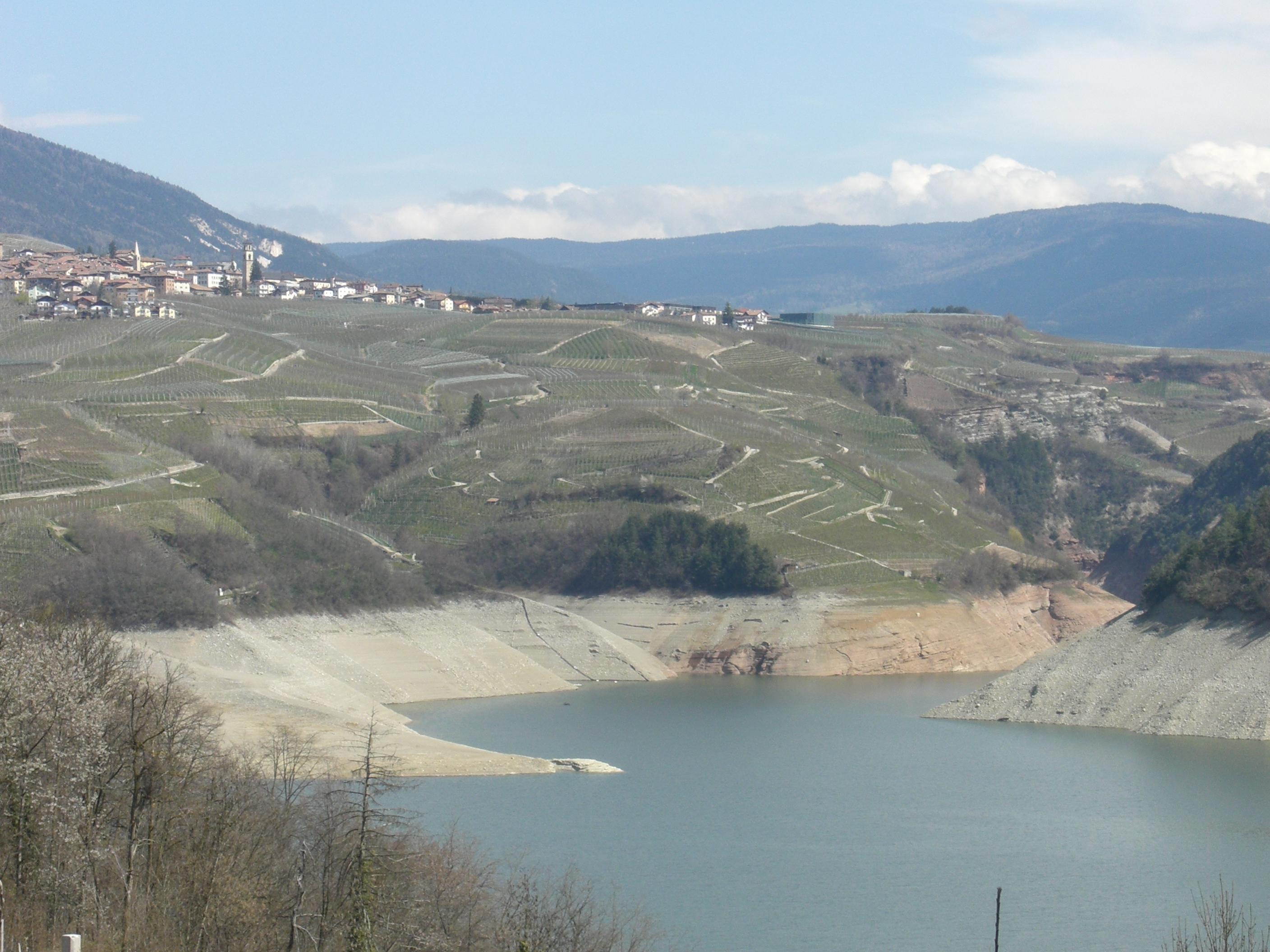
Untersuchungsgebiet Noce/ Italien: Spezielle Anforderungen der Bevölkerung führen zu Wasserkonflikten
 Download
© BayFOR
21.11.2013
EU-Forschungscluster CLIWASEC
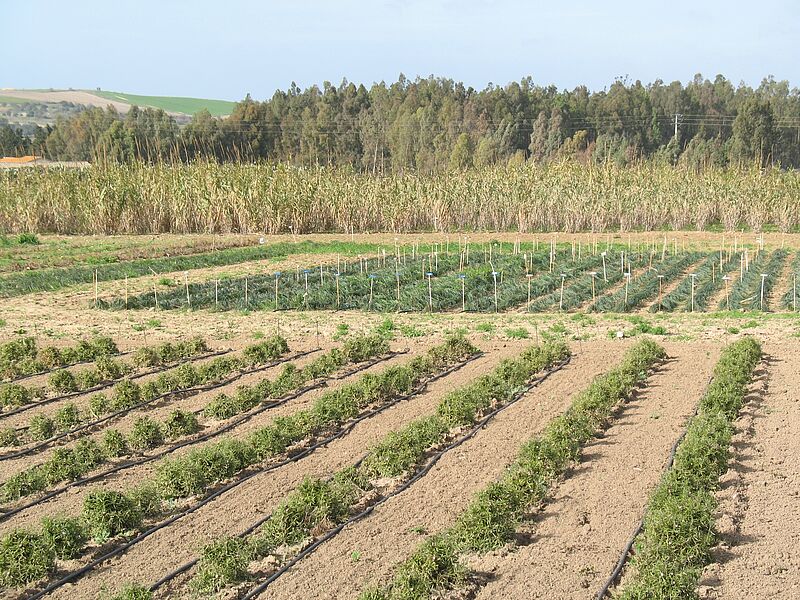
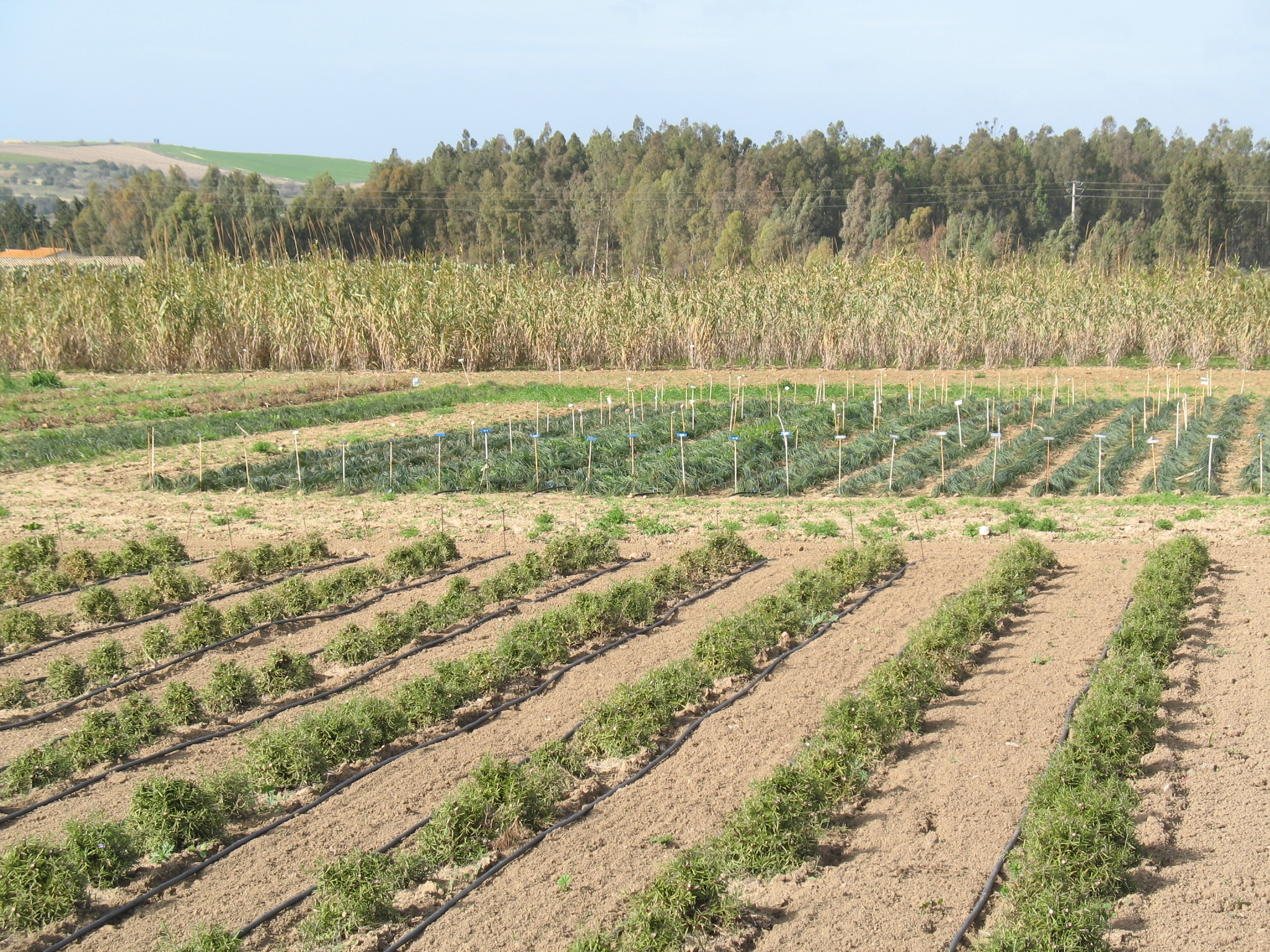
Sardinien: Landwirtschaftliche Versuchsanstalt ´San Michele´, die sich neben der intensiv-betriebenen Landwirtschaft auch dem Thema Forschung widmet
 Download
© BayFOR
21.11.2013
EU-Forschungscluster CLIWASEC
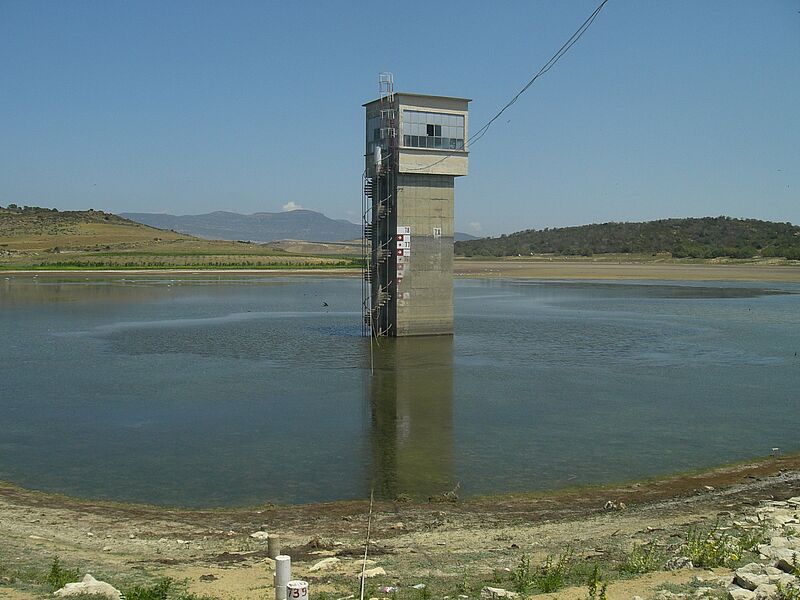
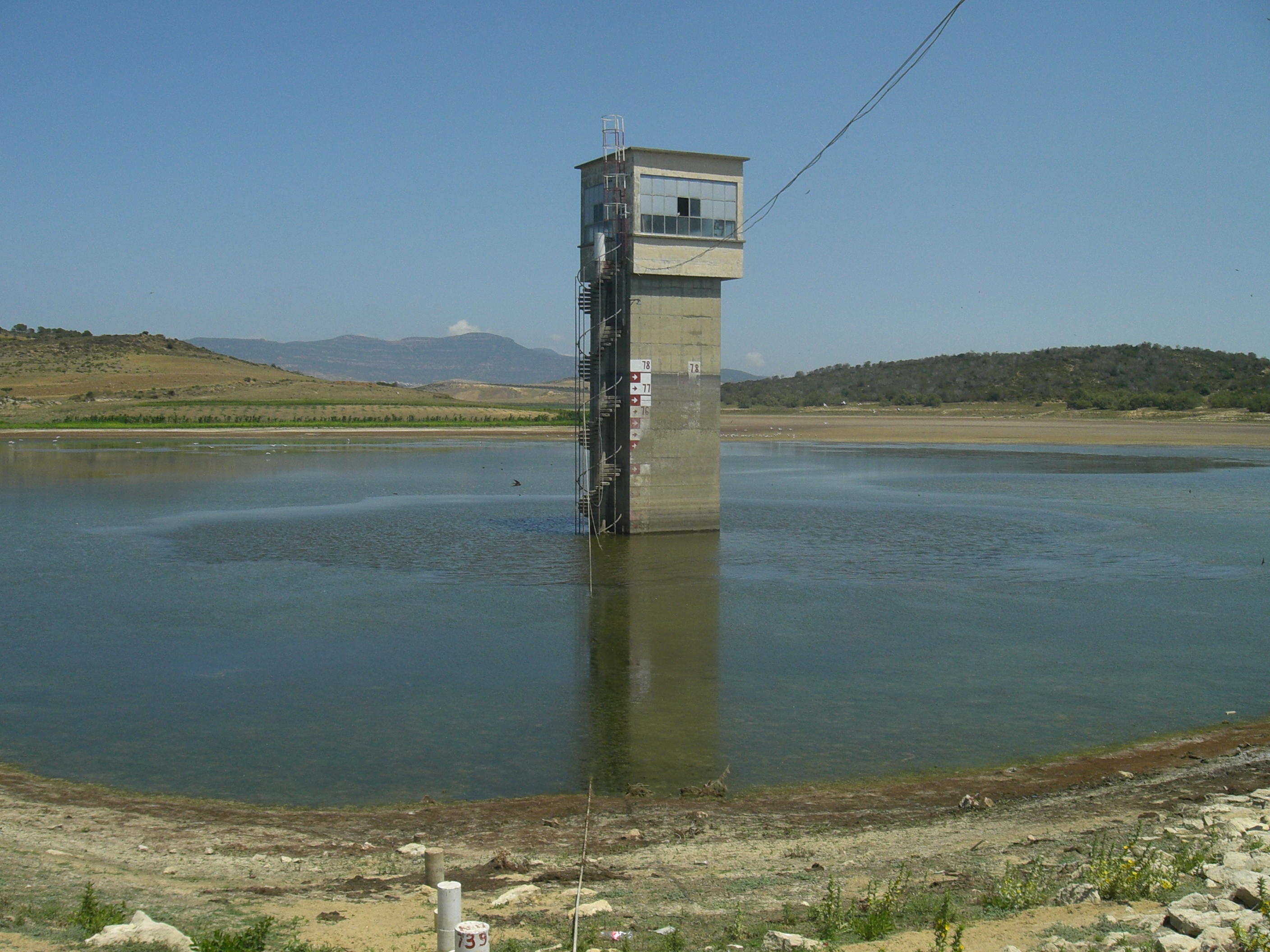
Chiba Dam/ Tunesien: Gebiet einer Fallstudie des EU-Forschungsprojektes CLIMB
 Download
© BayFOR
21.11.2013
EU-Forschungscluster CLIWASEC
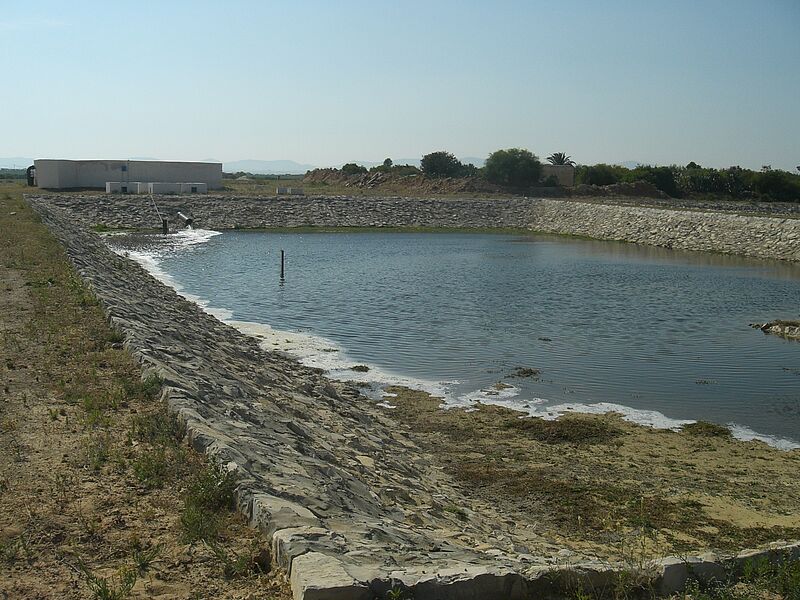
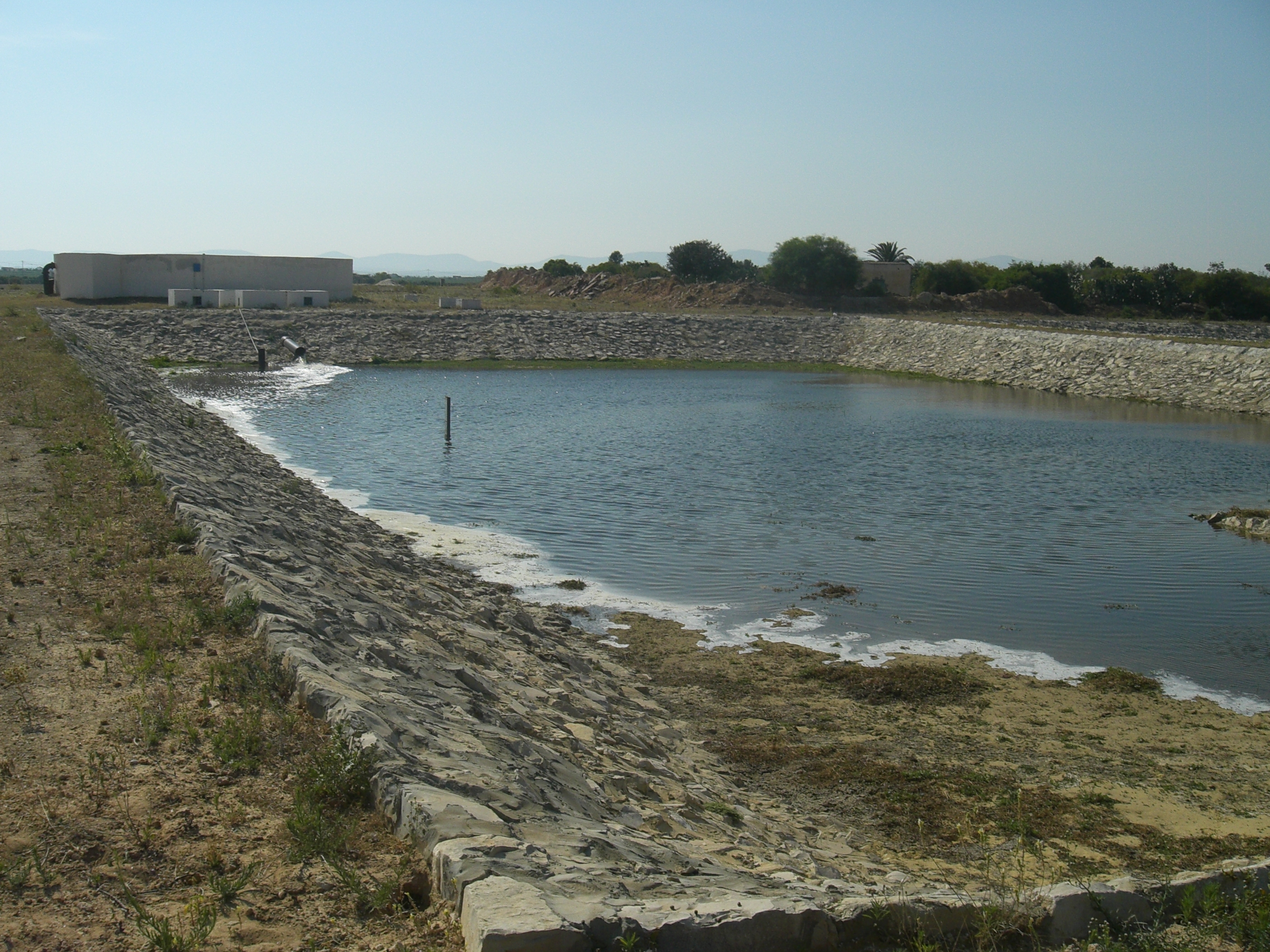
Chiba Dam/ Tunesien: Wasserbecken, mit dessen Hilfe Forscher des Projektes CLIMB untersuchten, inwiefern sich Wasser im Untergrund ausbreitet
 Download
© BayFOR
Geoportal makes results available to the public
The results enable much more specific and strongly differentiated regional statements than previous analyses have. They are immediately available to the public in the form of a user-friendly online platform at http://lgi-climbsrv.geographie.uni-kiel.de. This geoportal, which CLIMB officially launched at the conference, allows users to get the results in graphic format, in understandable development forecasts for each region and – thanks to a very high spatial resolution – even for specific locations. At the same time, it contains information as to the probability of a specific climate change, and enables conscious assessment of the consequences. For scientists, a further objective is to raise awareness among regional actors as to the coming changes, and to provide specific recommendations for action. There is great interest in proposals, such as how the consequences of climate change can be mitigated, or even utilized ideally. Among the participants of the conference were numerous practitioners and decision makers from the regions being studied, but also several high-ranking representatives of the European Commission. The consortium has put the recommendations together in a joint position paper, which will be passed on to leaders in Brussels.Results from the CLIMB Case Studies
Thau/FranceThe Thau Lagoon is a popular tourist destination, especially during the summer months. In addition to tourism, especially viticulture and aquaculture play an important role in the local economy. The region aims to preserve the quality of water in the future and to continue encouraging the aquaculture. In the course of climate change, researchers expect a reduction of the existing surface and groundwater, which in turn will affect the freshwater content of the lagoon. Rio Mannu di San Sperate/Sardinia (Italy)
This research area is also one of the destinations that are particularly attractive for tourists. In the main season, agriculture and holiday makers compete for water supplies. In the future, the situation will worsen further, as scientists predict a decline in the annual rainfall by 12 per cent, and a decrease of the total water resources by as much as 15 to 23 percent, which could affect agricultural productivity during the vegetation period. Noce/Dolomites (Italy)
Another Italian area, which in contrast to the other areas is located in the Southern Alps, and not directly on the Mediterranean Sea, shows a contrasting result. The Noce River is partially fed by several glaciers in the region, and is carrying more water during snow melt. The temperature rise is increasing the water flow. This will benefit the numerous hydroelectric plants, which are a major source of income in the region. Kocaeli/Turkey
This province on the Black Sea already has problems with water quality today, which is due to a rapid population growth, associated with increasing agricultural land use, industrialization and urbanization. The effects of climate change on this situation will likely be rather low. However, the projections indicate a shift in the rainy season with slightly higher amounts of precipitation in the winter months. Droughts will occur more often and last longer than before. This will require additional irrigation in agriculture. Gaza/Palestinian Administrated Areas
High population density and extreme population growth are determining the management of water in the Gaza Strip to an even more significant degree. Due to the geographical and political realities, groundwater represents the only source of water, and it is now very scarce. In the future, the cluster anticipates on the one hand a rise in sea levels and flooding. On the other hand there is threat of increasing desertification, salinization of coastal groundwater and coastal erosion. The groundwater level will also decline by 20 to 30 centimetres, partly as a result of heavy agricultural use. Nile Delta/Egypt
In the Nile Delta the researchers expect that with progressive urbanization there will be increasing water pollution, as well as a deterioration in the soil quality. Intensive agriculture produces large irrigation needs. The greatest danger in Egypt is a rise in sea levels and the associated salinization of soil and groundwater. This makes the region very vulnerable to the consequences of climate change. The main objective is to preserve the arable land and thereby to ensure continued supply. Wadi Chiba/Tunisia
Wadi Chiba is in danger of having far too little water resources in the future. It is largely in use agriculturally, especially for growing tomato and grain. This makes the region extremely dependent on water, so that there have already been efforts in the past for the treatment of waste water. Potential drought periods and the increase in dry years have a direct impact on agricultural productivity. In the face of a projected decline in the total amount of water of approximately 30 percent, a systematic approach to adapting water resources management is essential.
About CLIWASEC
The research cluster CLIWASEC (www.cliwasec.eu) identified and analysed the effects of climate change and water scarcity in the Mediterranean region. The cluster was created in 2010 at the initiative of the EU Commission, and consisted of a combination of the three EU projects CLIMB (www.climb-fp7.eu), WASSERMed (www.wassermed.eu) and CLICO (www.clico.org). In total, CLIWASEC comprised 45 institutions from 19 countries. While CLICO has brought the social and political consequences into focus, the two science-oriented projects CLIMB and WASSERMed dealt primarily with the hydrological, climatological and economic effects of climate change, as well as with adequate hydrological and climate models. Previous models suffered from a lack of regional data, so that specific statements were hardly possible. In addition, the available data was often very heterogeneous and thus of limited use for modelling. To correct the methodological shortcomings, the scientists utilized the latest field monitoring and remote sensing methods, and instead of working with individual models, worked with combinations of different models, so-called model ensembles. These combine, for example, overarching climate models with detailed, regionally oriented hydrological, socioeconomic, and agroeconomic studies. For this, it was necessary on the one hand to collect new data, on the other hand to harmonize existing information. The researchers validated the new models based on a reference period (1971-2000) and applied them to forecasts for the years 2041 to 2070. Through their cooperation, the three projects have created important synergies and improved scientific communication at the interface between science, economy, management and policy. The EU supported the projects for three to four years, with a total budget of around 9.3 million euro.Bavarian Research Alliance GmbH (BayFOR)
The Bavarian Research Alliance GmbH (BayFOR) has intensely supported CLIMB during the application process and was responsible for project management as well as public relations. BayFOR is an association whose purpose is to promote Bavaria as a centre for science and innovation within the European Research Area. It supports and advises scientists from Bavaria and stakeholders from the private sector in the competition for European research funds. The focus is directed at the forthcoming Framework Programme for Research and Innovation "Horizon 2020". To achieve this, BayFOR provides subject-specific information and offers strategic advice and active support for initiating projects, setting up international research consortia and submitting applications during the contract negotiations with the European Commission and for project management. As a partner in the network for SMEs "Enterprise Europe Network" (EEN), BayFOR provides specific advice for SMEs which are interested in EU research projects. BayFOR also coordinates the joint activities of the Bavarian Research Associations and supports their networking efforts on a European level. The Scientific Coordination Office Bavaria-Québec/Alberta/International within BayFOR provides support for bilateral and multilateral research projects from these regions. BayFOR is a partner institution in the Bavarian "Haus der Forschung" (www.hausderforschung.bayern.de/en). For further information please visit www.bayfor.org.Contact at BayFOR

Christine Huber
Public Relations Officer
Phone: +49 (0)89 9901888-113
E-mail: huber@no-spam-pleasebayfor.org

Kompetente Unterstützung für exzellente Forschung in Bayern, Europa und der Welt
Kompetente Unterstützung für exzellente Forschung in Bayern, Europa und der Welt